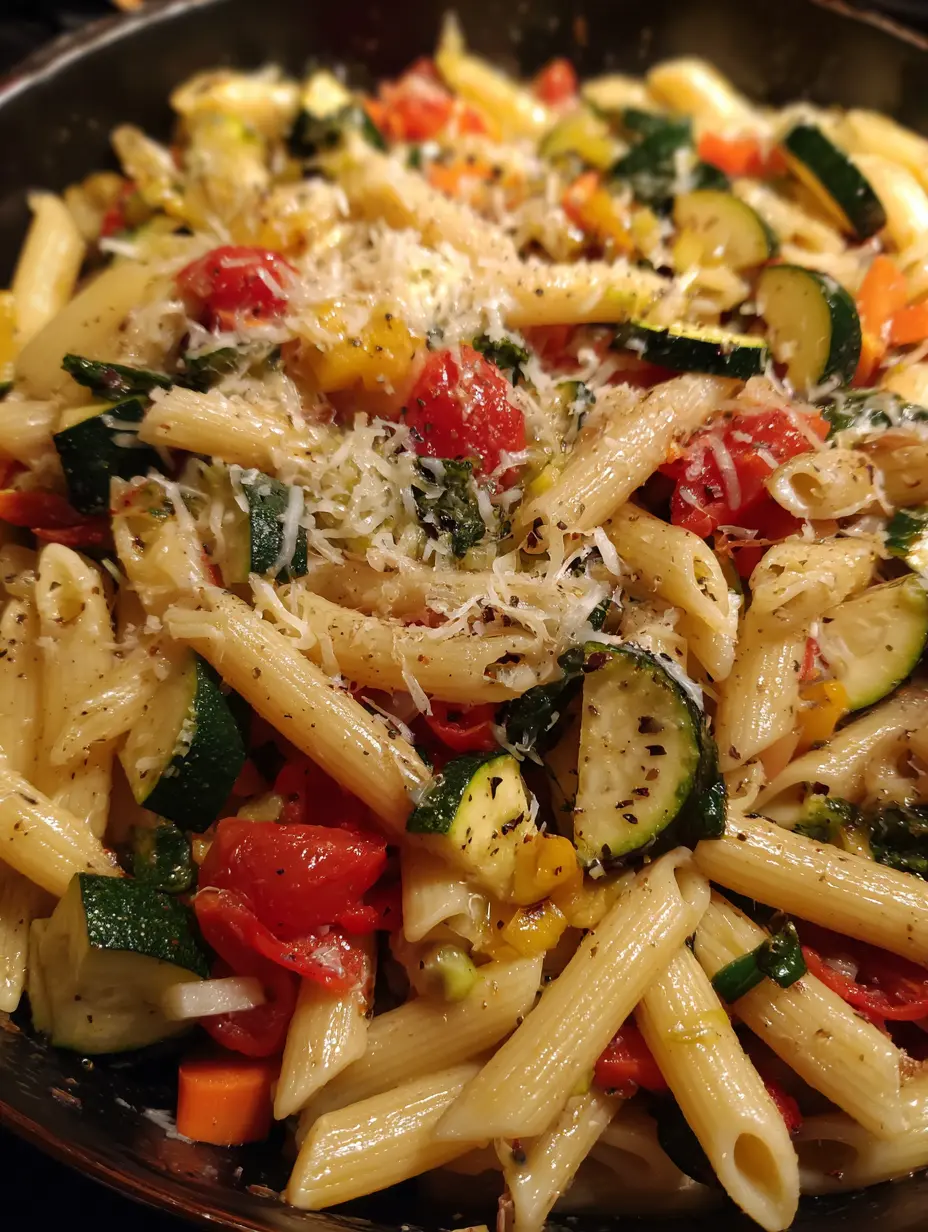
When the first signs of spring arrive, our palates crave dishes that are both vibrant and comforting. Enter pasta primavera. This classic dish is a celebration of seasonal vegetables, harmoniously combined with perfectly cooked spaghetti in a light, creamy sauce.
Our recipe delivers a colorful veggie pasta that is a healthy weeknight meal and a quick meatless dinner option, ready in just 40 minutes from start to finish. This easy vegetarian pasta is packed with nutrients and flavor, making it a family-friendly main course that everyone will love.

Why You’ll Love This Pasta Primavera
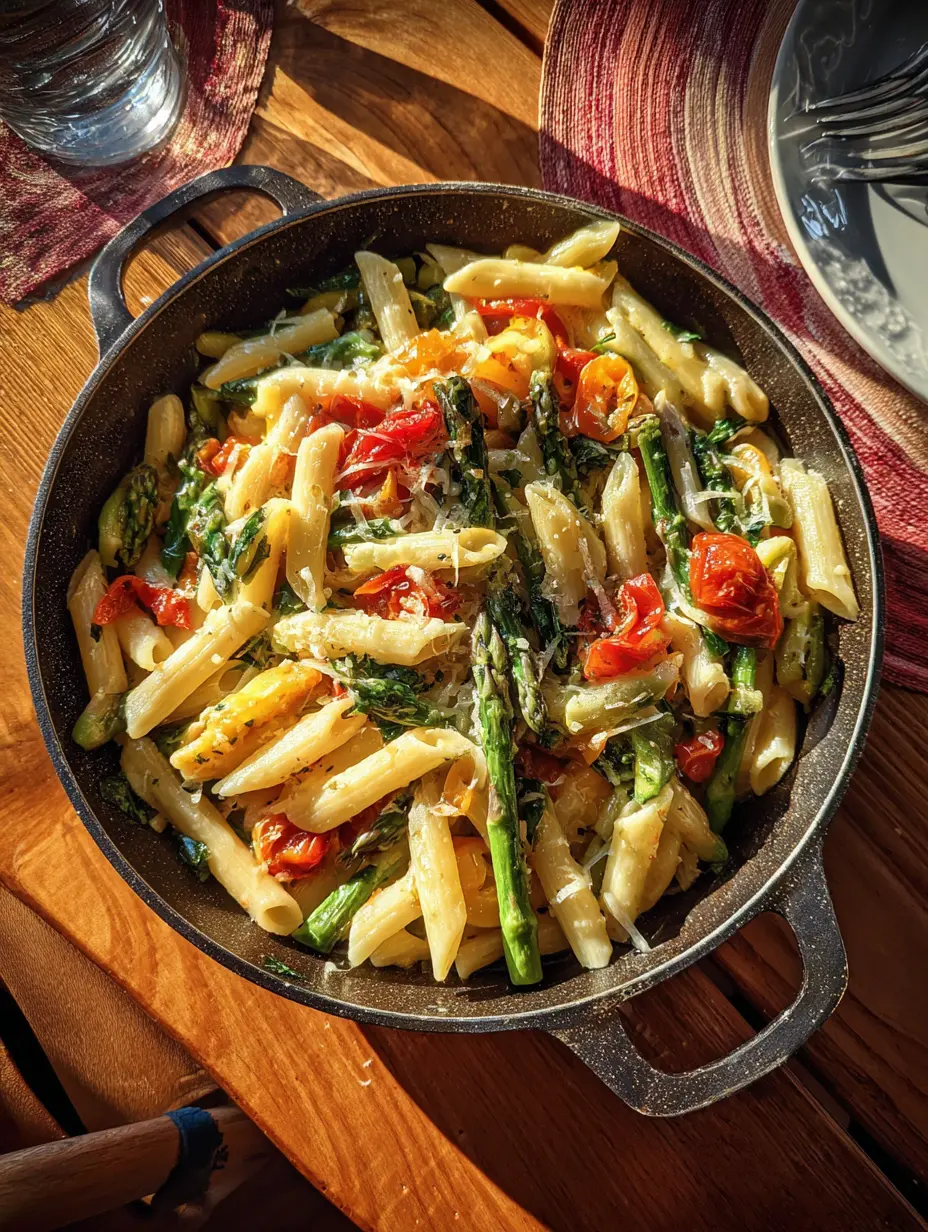
Pasta primavera translates to ‘spring pasta,’ and this recipe lives up to its name. It’s a versatile and forgiving dish that showcases the best of the season. It’s a light spring dinner that feels indulgent without being heavy, thanks to a silky sauce built from Parmesan and a touch of cream.
Each bite is a medley of textures and colors, from the tender zucchini to the crisp asparagus and sweet tomatoes. It’s the epitome of a colorful veggie pasta that satisfies both visually and on the plate.
Ingredients for the Best Vegetable Pasta Dinner
Choosing Your Vegetables
The heart of a great pasta primavera is fresh, seasonal produce. For this recipe, we use a beautiful array: zucchini, asparagus, red onion, leeks, red bell pepper, and grape tomatoes. The key is to cut them uniformly to ensure even cooking.
The zucchini and asparagus are seared first to develop a light golden color, then set aside. The onions, leeks, and bell pepper are cooked until sweet and slightly caramelized, creating a flavor base that is simply irresistible.
The Sauce Foundation
Our sauce is simple yet luxurious. We use a combination of heavy cream, starchy pasta water, and finely grated Parmesan cheese. The pasta water is a critical ingredient; it helps emulsify the sauce, making it glossy and perfectly cling to each strand of spaghetti. A final optional touch of fresh lemon zest and juice brightens the entire dish, cutting through the richness and highlighting the fresh vegetables.
Step-by-Step Instructions for Easy Vegetarian Pasta
Follow these simple steps for a foolproof meal. First, bring a large pot of generously salted water to a boil for the spaghetti. Cook it until just under al dente, as it will finish cooking in the sauce.
Always reserve 1 1/2 to 2 cups of that precious pasta water before draining. Meanwhile, in a large high-sided skillet, heat olive oil over medium-high heat. Cook the zucchini until starting to soften and turn lightly golden, seasoning with salt. Add the asparagus and cook until vibrant and softened. Transfer these vegetables to a plate.
Reduce the heat to medium. If the skillet seems dry, add a touch more oil. Add the onions and leeks, cooking until they begin to wilt and caramelize. Add the bell pepper and cook until slightly softened.
Stir in the garlic and cook just until fragrant. Now, reduce the heat to medium-low and add the tomatoes, cream, peas, and a 1/2 cup of the reserved pasta water. Cook until the tomatoes are tender and beginning to burst. Add the undercooked spaghetti, the reserved zucchini and asparagus, the Parmesan, and a splash more pasta water.
Cook, tossing everything together and adding more pasta water as needed, until the sauce is glossy and coats the pasta perfectly. Stir in the optional lemon zest and juice, and season with freshly ground black pepper.
Nutritional Profile of a Healthy Weeknight Meal
This dish is not only delicious but also offers a balanced nutritional profile. The combination of complex carbohydrates from the pasta, fiber and vitamins from the abundance of vegetables, and protein from the Parmesan cheese makes for a satisfying and wholesome plate. For those monitoring their intake, we have included a detailed breakdown in the table below.
| Nutrient | Amount Per Serving |
|---|---|
| Calories | 486 |
| Total Fat | 23 g |
| Carbohydrates | 51 g |
| Protein | 15 g |
| Fiber | 5 g |
| Sugar | 8 g |
| Sodium | 679 mg |
Tips for the Perfect Light Spring Dinner
Pasta Pointers
Undercooking the pasta is the single most important tip for this recipe. The spaghetti will absorb liquid and finish cooking in the sauce, allowing it to soak up all the flavors. Using the reserved starchy pasta water is non-negotiable for creating a restaurant-quality, silky sauce that doesn’t separate.
Vegetable Versatility
Pasta primavera is adaptable! Use whatever fresh vegetables are in season. Broccoli florets, snap peas, or thinly sliced carrots would all be excellent additions. The method remains the same: cook harder vegetables first, then add quicker-cooking ones to keep everything crisp-tender.
Serving and Pairing Your Colorful Veggie Pasta
Serve this pasta primavera immediately, garnished with extra grated Parmesan and perhaps a sprinkle of fresh herbs like basil or parsley. It pairs beautifully with a simple green salad and a slice of crusty bread to soak up any extra sauce.
For a different take on pasta with spring vegetables, explore our recipe for Lemon Asparagus Chicken Pasta, which adds a protein boost. If you’re looking for more hearty, classic comfort food, our beloved Italian Meatloaf is a crowd-pleaser. And for another creamy, quick dinner option, don’t miss our Creamy Dijon Chicken.
Conclusion
This pasta primavera recipe is your ticket to a delicious, quick meatless dinner that celebrates the flavors of the season. It’s simple enough for a busy Tuesday but impressive enough for weekend guests.
With its bright colors, satisfying textures, and creamy, balanced sauce, it’s a healthy weeknight meal that proves eating your vegetables can be the most delightful part of the day. Give this recipe a try and taste the freshness of spring in every forkful.
Recipe
Print
Pasta Primavera
- Total Time: 40 min
- Yield: 6 servings 1x
- Diet: Vegetarian
Description
A vibrant and creamy spring pasta loaded with fresh zucchini, asparagus, bell peppers, and peas in a light Parmesan sauce.
Ingredients
Kosher salt
12 oz. spaghetti
1/4 c. (or more) extra-virgin olive oil
1 large zucchini, sliced into 1/2‘ half-moons
1 bunch asparagus, trimmed, quartered crosswise
1/2 red onion, sliced into 1/4‘ half-moons
2 small leeks, cut into 1/2‘ half-moons
1 red bell pepper, seeds and ribs removed, chopped
5 cloves garlic, finely chopped
1 c. grape tomatoes
3/4 c. heavy cream
1/3 c. frozen peas, thawed
2 oz. Parmesan, finely grated, plus more for serving
Lemon zest and juice from 1 small lemon (optional)
Freshly ground black pepper
Instructions
- In a large pot of boiling salted water, cook pasta until just under al dente. Reserve 1 1/2 to 2 cups pasta water.
- In a large skillet over medium-high heat, heat oil. Cook zucchini until starting to soften, season with salt. Add asparagus, season, and cook until softened. Transfer to a plate.
- Reduce heat to medium. Add more oil if needed. Add onions and leeks, cook until beginning to wilt. Add bell pepper and cook until softened. Add garlic and cook until fragrant.
- Reduce heat to medium-low. Add tomatoes, cream, peas, and 1/2 cup pasta water. Cook until tomatoes are tender.
- Add spaghetti, reserved vegetables, Parmesan, and a splash of pasta water. Cook, tossing and adding more water as needed, until sauce is glossy.
- Stir in lemon zest and juice (if using); season with pepper.
Notes
- Undercook the pasta so it can finish in the sauce.
- The starchy pasta water is crucial for a silky, cohesive sauce.
- Feel free to substitute vegetables based on what’s in season.
- For a lighter version, you can reduce the amount of cream.
- Prep Time: 15 min
- Cook Time: 25 min
- Category: Main Course
- Method: Baked
- Cuisine: American
Nutrition
- Serving Size: 1/6 of recipe
- Calories: 486 Calories
- Sugar: 8 g
- Sodium: 679 mg
- Fat: 23 g
- Carbohydrates: 51 g
- Fiber: 5 g
- Protein: 15 g