Nothing screams sunshine on a plate quite like a classic Greek salad. This dish, known in Greece as Horiatiki, is a celebration of the simplest, freshest ingredients coming together in perfect harmony. It’s more than just a side dish; it’s a light, satisfying meal that bursts with the flavors of the Mediterranean.
Crisp vegetables, briny olives, and creamy cheese combine under a simple, herby dressing. Each forkful delivers a taste of summer. You can whip it up in just minutes, making it perfect for a quick lunch, a vibrant potluck contribution, or a refreshing dinner starter.
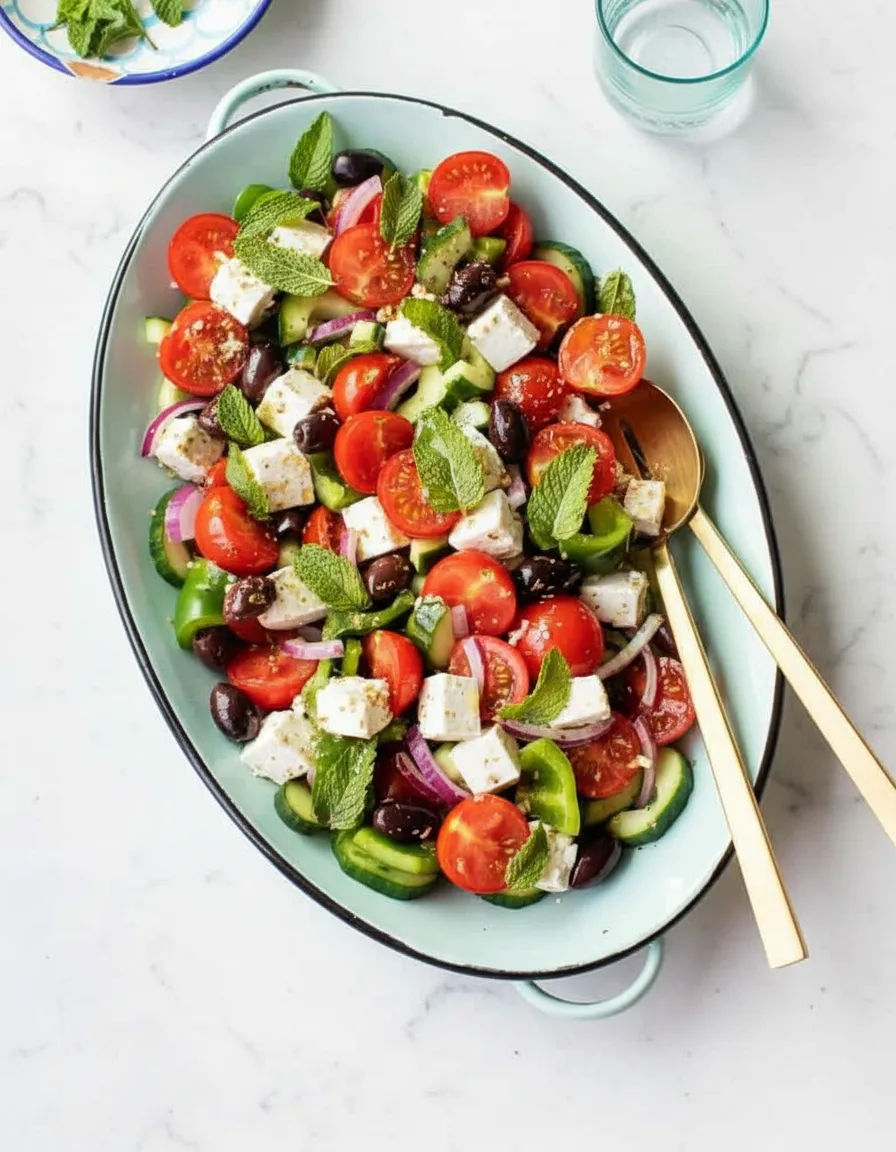
Our version of this beloved salad focuses on achieving that authentic, bright taste while being incredibly easy to assemble. We’ll walk you through picking the best produce and share secrets for the ultimate dressing. Furthermore, we will explore clever ways to customize your salad to make it your own. Whether you’re a seasoned home cook or just starting out, this recipe guarantees delicious results. Let’s get ready to create a healthy, colorful, and utterly delicious masterpiece.
Why You’ll Love This Greek Salad
This Greek salad recipe is a total crowd-pleaser for so many reasons. First, it’s incredibly fresh and healthy. It’s packed with vitamins and antioxidants from all the colorful vegetables. Second, it’s wonderfully easy and fast to make. There’s no cooking required. You just chop, whisk, and toss.
Next, the flavor profile is unbeatable. The combination of juicy tomatoes, cool cucumber, sharp onion, and tangy cheese is pure perfection. The lemon-herb dressing ties everything together beautifully. Finally, this salad is amazingly versatile. You can serve it as a main course for a light meal or as a side dish. It pairs wonderfully with grilled meats, homemade garlic bread, or simply with some crusty bread to soak up the delicious juices.
Recipe
Print
Greek Salad with Fresh Feta
- Total Time: 15
- Yield: 4 1x
- Diet: Vegetarian
Description
A bright and classic Greek salad with crisp vegetables, briny olives, and creamy fresh cheese, all tossed in a simple lemon-herb dressing.
Ingredients
- 4 medium ripe tomatoes (about 1.5 lbs / 680 g)
- 1 large English cucumber (about 12 oz / 340 g)
- 1 green bell pepper (about 6 oz / 170 g)
- 1/2 red onion (about 4 oz / 113 g)
- 1 cup pitted Kalamata olives (6 oz / 170 g)
- 2 tbsp capers (1 oz / 28 g)
- 6 oz block of fresh, solid cheese (170 g)
- 1/4 cup extra virgin olive oil (60 ml)
- 3 tbsp fresh lemon juice (45 ml)
- 1 clove garlic, minced
- 1 tsp dried oregano
- 1/4 tsp salt
- 1/4 tsp black pepper
- 2 tbsp fresh dill, chopped (optional)
Instructions
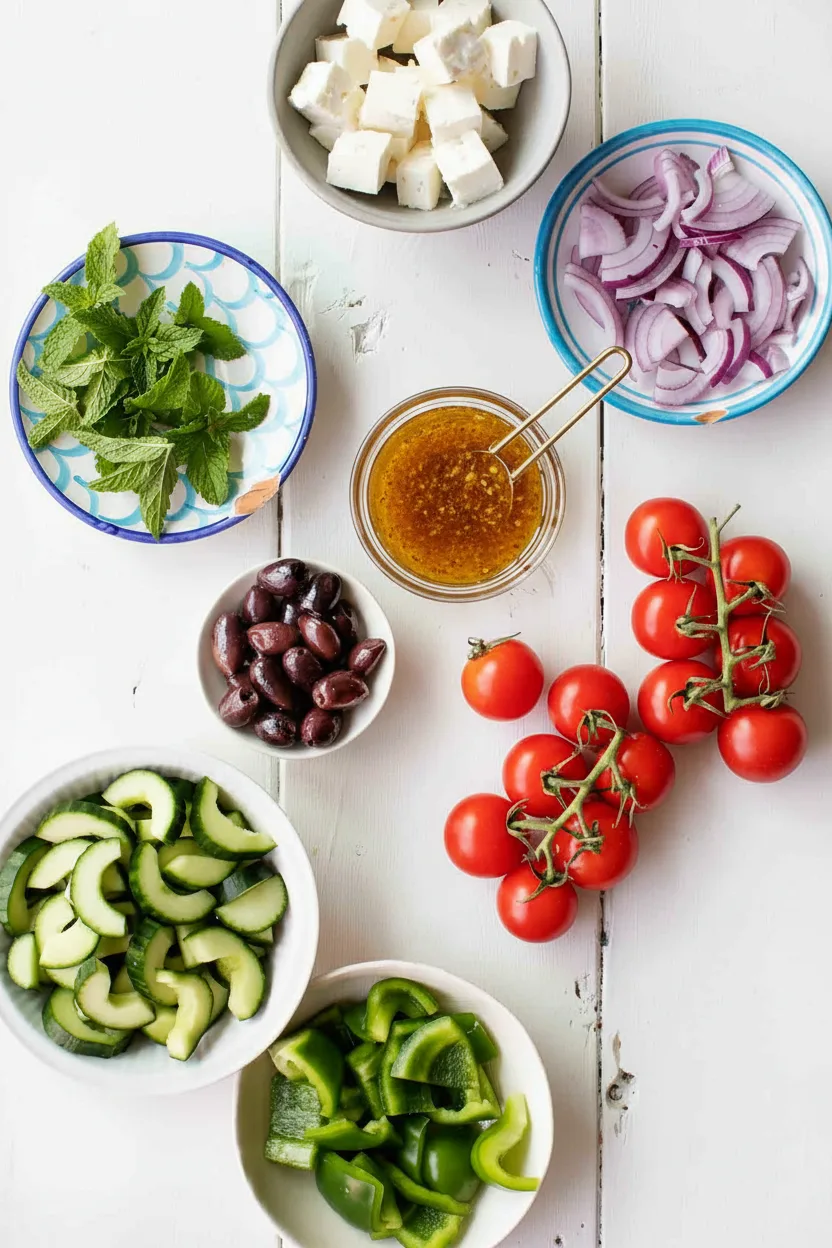
- Wash and prepare all vegetables. Cut tomatoes into wedges, slice cucumber into half-moons, cut bell pepper into strips, and thinly slice the red onion. Place in a large bowl.
- In a small jar or bowl, combine the olive oil, lemon juice, minced garlic, dried oregano, salt, and black pepper. Shake or whisk vigorously until well combined.
- Pour about two-thirds of the dressing over the vegetables in the bowl. Gently toss to coat all the vegetables evenly.
- Transfer the tossed salad to a serving platter or individual plates. Top with Kalamata olives, capers, and fresh dill.
- Crumble the block of fresh cheese over the top of the salad in large pieces.
- Drizzle the remaining dressing over everything and serve immediately.
Notes
- For best flavor, use the ripest tomatoes you can find.
- Soak the sliced red onion in cold water for 10 minutes to mellow its sharp bite.
- Always crumble the cheese from a block just before serving for the creamiest texture.
- Add the dressing just before serving to keep the vegetables crisp.
- Prep Time: 15
- Category: Main Course
- Method: Baked
- Cuisine: American
Nutrition
- Serving Size: 1/4 of recipe
- Calories: 210
- Sugar: 5g
- Sodium: 450mg
- Fat: 16g
- Saturated Fat: 5g
- Unsaturated Fat: 10g
- Trans Fat: 0g
- Carbohydrates: 9g
- Fiber: 2g
- Protein: 6g
- Cholesterol: 20mg
Ingredients and Substitutions
Quality ingredients make all the difference in a simple salad like this one. Here’s what you need and how you can adapt it.
Base Components
- Tomatoes: Use ripe, flavorful tomatoes on the vine or Roma tomatoes. If they’re out of season, cherry or grape tomatoes work great.
- Cucumber: English or Persian cucumbers are ideal. They have fewer seeds and thinner skin.
- Green Bell Pepper: Adds a fresh, crunchy element. You can use red or yellow bell pepper for a sweeter taste.
- Red Onion: Provides a sharp, peppery bite. Soaking thinly sliced onion in cold water for 10 minutes mellows the flavor.
- Cheese: We use a block of solid, fresh cheese for the best texture and taste. Crumble it yourself right before serving.
Flavor Enhancers
- Kalamata Olives: Look for pitted Kalamata olives for their distinct, rich flavor.
- Capers: These add a lovely briny, salty pop. They are optional but highly recommended.
- Fresh Herbs: Dried oregano works, but fresh oregano and fresh dill are truly magical.
For the Dressing
- Extra Virgin Olive Oil: Use the best you have. It’s the backbone of the dressing.
- Fresh Lemon Juice: Absolutely key. Bottled lemon juice lacks the bright, fresh zing.
- Garlic: One clove, finely minced or grated.
- Oregano: Dried Greek oregano is traditional.
- Salt and Black Pepper: Season to taste.
How to Make Greek Salad
Making this salad is a straightforward, relaxing process. The goal is to treat the ingredients with care. Follow these simple steps for the perfect result.
Step 1: Prepare the Vegetables
Wash all your vegetables thoroughly. Start by cutting the tomatoes into wedges or chunks. Slice the cucumber into half-moons. Deseed the green bell pepper and slice it into strips. Thinly slice the red onion. Place all these chopped vegetables into a large mixing bowl.
Step 2: Make the Dressing
In a small bowl or jar, combine the extra virgin olive oil and fresh lemon juice. Add the minced garlic, dried oregano, and a generous pinch of salt and black pepper. Whisk vigorously or shake the jar until the dressing is well emulsified. Taste and adjust the seasoning. It should be tangy, herby, and flavorful.
Step 3: Assemble and Toss
Pour about two-thirds of the dressing over the vegetables in the large bowl. Toss everything gently but thoroughly. You want to coat every piece without crushing the tomatoes. Let the salad sit for about 5 minutes. This allows the flavors to start mingling.
Step 4: Final Touches and Serve
Transfer the dressed vegetables to a serving platter or individual plates. Top with the pitted Kalamata olives, capers, and fresh herbs like dill. Crumble the fresh cheese over the top in large, generous chunks. Finally, drizzle the remaining dressing over everything. Serve immediately for the best texture and taste.
Pro Tips for Success
A few simple tricks will elevate your Greek salad from good to incredible.
- Chill Your Ingredients: For the most refreshing salad, start with cold vegetables straight from the fridge.
- Cut Consistently: Try to cut all your vegetables into similar-sized pieces. This ensures every bite has a balanced mix of flavors.
- Season Layer by Layer: Don’t forget to season the vegetables with a tiny pinch of salt as you chop them. This draws out their natural juices.
- Add Cheese Last: Always add the crumbled cheese at the very end, after tossing the vegetables. This keeps it from getting soggy and disappearing into the salad.
- Use a Block: Avoid pre-crumbled cheese. A block that you crumble yourself is creamier, fresher, and far superior in taste and texture.
Flavor Variations
The classic recipe is fantastic, but don’t be afraid to play with it. Here are some delicious twists.
- Add Protein: Turn it into a full meal by adding grilled chicken, chickpeas, or cooked quinoa.
- Switch Up the Veg: Try adding radishes for extra crunch or avocado for creaminess.
- Different Herbs: Mint or parsley can be lovely additions alongside or in place of the oregano and dill.
- Spicy Kick: Add a pinch of red pepper flakes to the dressing for a subtle heat.
- Creamy Dream: For a richer element, a dollop of tzatziki sauce on the side is perfection.
Serving Suggestions
This salad is a star on its own, but it also plays well with others. For a complete Mediterranean feast, serve it alongside crispy baked appetizers for a delightful contrast in textures. It’s also the perfect companion to grilled lamb, fish, or souvlaki.
For a casual lunch, pile it into a pita pocket with a smear of hummus. If you’re looking for another easy, cheesy side, try pairing it with some simple two-ingredient snacks. Don’t forget a basket of warm, crusty bread to scoop up every last drop of the lemony dressing at the bottom of the bowl.
Storage and Freezing Instructions
Greek salad is best enjoyed fresh. However, you can prepare components ahead of time.
Refrigeration
Store any leftover salad in an airtight container in the refrigerator for up to 1 day. The vegetables will release water, so it will become softer. For best results, store the chopped vegetables (without cheese or dressing) in a container. Keep the dressing separate. Assemble just before serving.
Freezing
We do not recommend freezing this salad. The high-water content in the vegetables means they will become mushy and watery when thawed.
Nutrition Facts per Serving
| Calories | Fat | Carbs | Protein | Fiber | Sugar | Sodium |
|---|---|---|---|---|---|---|
| 210 | 16g | 9g | 6g | 2g | 5g | 450mg |
FAQs About Greek Salad
Can I make this salad ahead of time?
Yes, but with a strategy. Chop all the vegetables and make the dressing a day ahead. Keep them in separate containers in the fridge. Assemble and add the cheese just before you’re ready to serve. This keeps everything crisp and fresh.
What can I use if I don’t have fresh lemon juice?
Fresh lemon juice is highly recommended for its bright, clean flavor. In a pinch, you can use a high-quality bottled lemon juice, or substitute with red wine vinegar. Start with a smaller amount and adjust to taste.
Is there a vegan version of this salad?
Absolutely. Simply omit the cheese or replace it with a vegan alternative. You can also add a handful of chickpeas or white beans for protein and a creamy element. The olives and capers still provide plenty of savory flavor.
Why is my salad watery?
This usually happens if you dress the salad too far in advance, or if the tomatoes are very juicy. To prevent this, salt the tomatoes lightly and let them drain in a colander for a few minutes before adding them to the bowl. Also, dress the salad right before serving.
Can I add lettuce to a Greek salad?
Traditional Greek salad (Horiatiki) does not include lettuce. The focus is on the chunky vegetables, cheese, and olives. However, you can certainly add romaine or butter lettuce to stretch it for a crowd or create a different texture. It will still be delicious.
Final Thoughts
This Greek salad recipe is a testament to the power of fresh, simple ingredients. It requires minimal effort but delivers maximum flavor and satisfaction. It’s a healthy, vibrant dish that suits any occasion, from a busy weeknight to a festive gathering.
By following the tips and exploring the variations, you can make this classic your own. So gather your crisp cucumbers, ripe tomatoes, and tangy cheese. Whip up that easy lemon-oregano dressing and get ready to enjoy a true taste of the Mediterranean. Happy cooking, and enjoy every fresh, delicious bite.