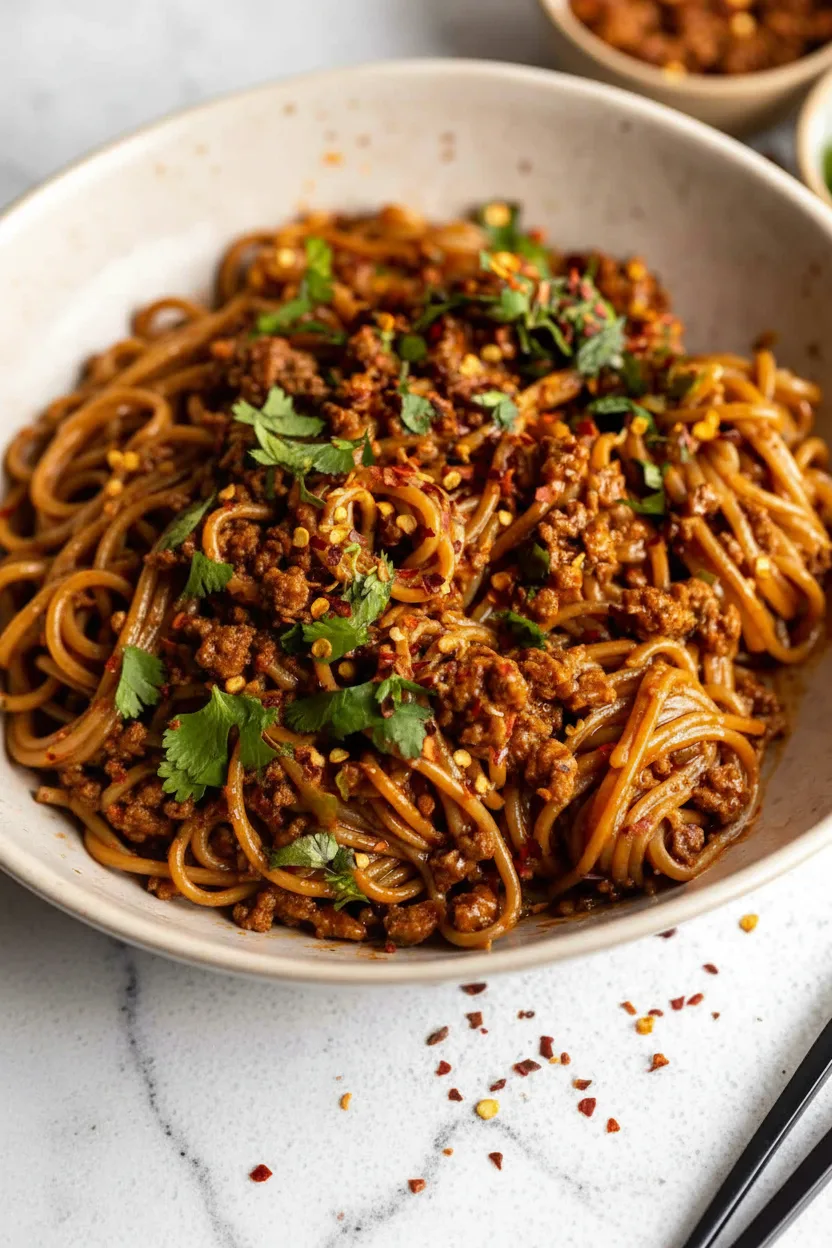
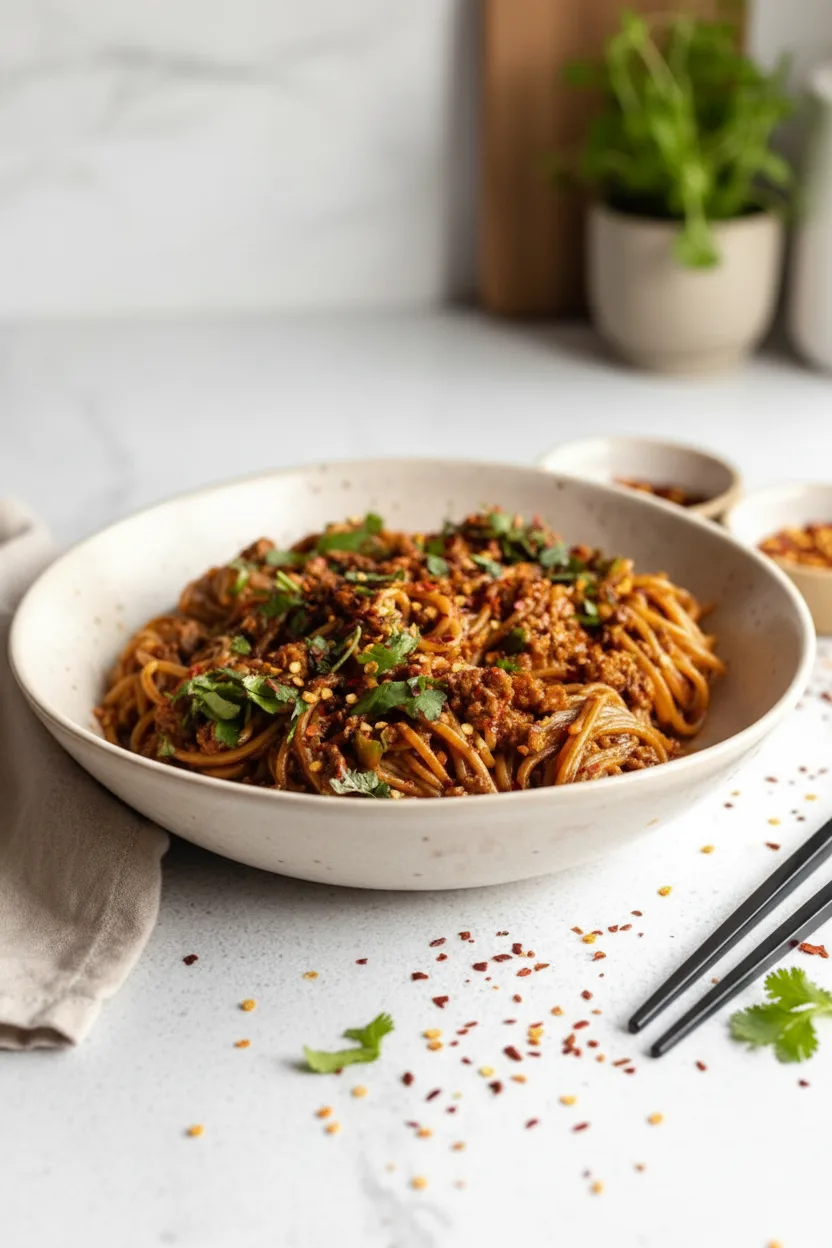
Prepare to excite your taste buds with this savory gochujang noodles recipe. Combining spicy Korean flavors with comforting noodles, this dish brings warmth to any meal.
Perfect for busy weeknights, it comes together in just 30 minutes and satisfies cravings for bold, umami-rich experiences. Let’s dive into creating this crowd-pleasing dinner that balances heat and sweetness beautifully.
Why You’ll Love This Recipe
Several key factors make these gochujang noodles stand out. First, they deliver rich flavor with minimal effort. Second, the recipe adapts easily to different dietary needs.
Third, it uses accessible ingredients without sacrificing authenticity. Moreover, leftovers taste even better the next day, saving you time and effort. Finally, the dish feels restaurant-quality but costs far less to make at home.
Quick Preparation
From start to finish, this meal takes just half an hour. Busy cooks appreciate how efficiently the components come together. While the noodles cook, you can prepare the sauce and protein simultaneously.
Customizable Heat Level
Control the spice intensity to match your preference. Use less red pepper flakes for milder flavors or increase them for extra fire. Gochujang paste itself has varying heat levels depending on the brand you choose.
Recipe
Print
Savory Gochujang Noodles – Spicy Korean Dinner
- Total Time: 30 min
- Yield: 4 servings 1x
Description
Spicy Korean-inspired noodles with savory gochujang sauce and protein, ready in 30 minutes.
Ingredients
- 1 pound ground beef (454 g), turkey, or chicken
- 12 ounces rice noodles (340 g) or noodles of choice
- 1/4 cup low sodium gluten free soy sauce (60 ml)
- 1/4 cup gochujang paste (60 ml)
- 2 tablespoons coconut cream (30 ml)
- 2 teaspoons tomato paste (10 g)
- 2 tablespoons water (30 ml)
- 2 tablespoons honey or brown sugar (30 ml)
- 1 tablespoon toasted sesame oil (15 ml)
- 1 tablespoon rice vinegar (15 ml)
- 2 teaspoons minced garlic (10 g)
- 1 teaspoon fresh grated ginger (5 g)
- 1/2 teaspoon red pepper flakes (1.5 g)
Instructions
- Bring a pot of salted water to a boil and cook noodles according to package instructions.
- Drain and rinse noodles, then toss with 2 tablespoons of plant-based spread after cooking.
- Add ground meat to a large skillet and saute until cooked through.
- Whisk together all sauce ingredients in a bowl and set aside.
- Add half of the sauce to the noodles and toss to combine.
- Add cooked ground meat and remaining sauce to the noodles.
- Toss until well coated and heat gently for 2-3 minutes to blend flavors.
- Serve with chopped scallions, sesame seeds, cilantro, or red pepper flakes.
Notes
- Check gochujang ingredients for gluten content if dietary restrictions apply.
- Store leftovers in an airtight container for up to 4 days.
- Add extra water if sauce becomes too thick during reheating.
- Prep Time: 10 min
- Cook Time: 20 min
- Category: Main Course
- Method: Baked
- Cuisine: American
Nutrition
- Calories: 509 kcal
- Sugar: 11 g
- Fat: 16 g
- Carbohydrates: 67 g
- Fiber: 2 g
- Protein: 25 g
Ingredients and Substitutions
Base Components
- 1 pound ground beef (454 g), turkey, or chicken
- 12 ounces rice noodles (340 g) or noodles of choice
Sauce Components
- 1/4 cup low sodium gluten free soy sauce (60 ml)
- 1/4 cup gochujang paste (60 ml)
- 2 tablespoons coconut cream (30 ml)
- 2 teaspoons tomato paste (10 g)
- 2 tablespoons water (30 ml)
- 2 tablespoons honey or brown sugar (30 ml)
- 1 tablespoon toasted sesame oil (15 ml)
- 1 tablespoon rice vinegar (15 ml)
- 2 teaspoons minced garlic (10 g)
- 1 teaspoon fresh grated ginger (5 g)
- 1/2 teaspoon red pepper flakes (1.5 g) – adjust as desired
How to Make Spicy Korean Noodles
Step 1: Prepare Noodles
Bring a pot of salted water to a boil and cook noodles according to package directions. Drain and rinse them under cold water to stop cooking. Toss with 2 tablespoons of plant-based spread to prevent sticking before setting aside.
Step 2: Cook Protein
Add ground meat to a large skillet over medium heat. Cook until fully browned, breaking it into small pieces as it cooks. Drain excess grease if needed, then transfer to a plate.
Step 3: Combine Sauce
Whisk together soy sauce, gochujang paste, coconut cream, tomato paste, water, honey, sesame oil, rice vinegar, garlic, ginger, and red pepper flakes in a mixing bowl. Don’t worry if small coconut cream lumps remain – they’ll melt during cooking.
Step 4: Assemble Dish
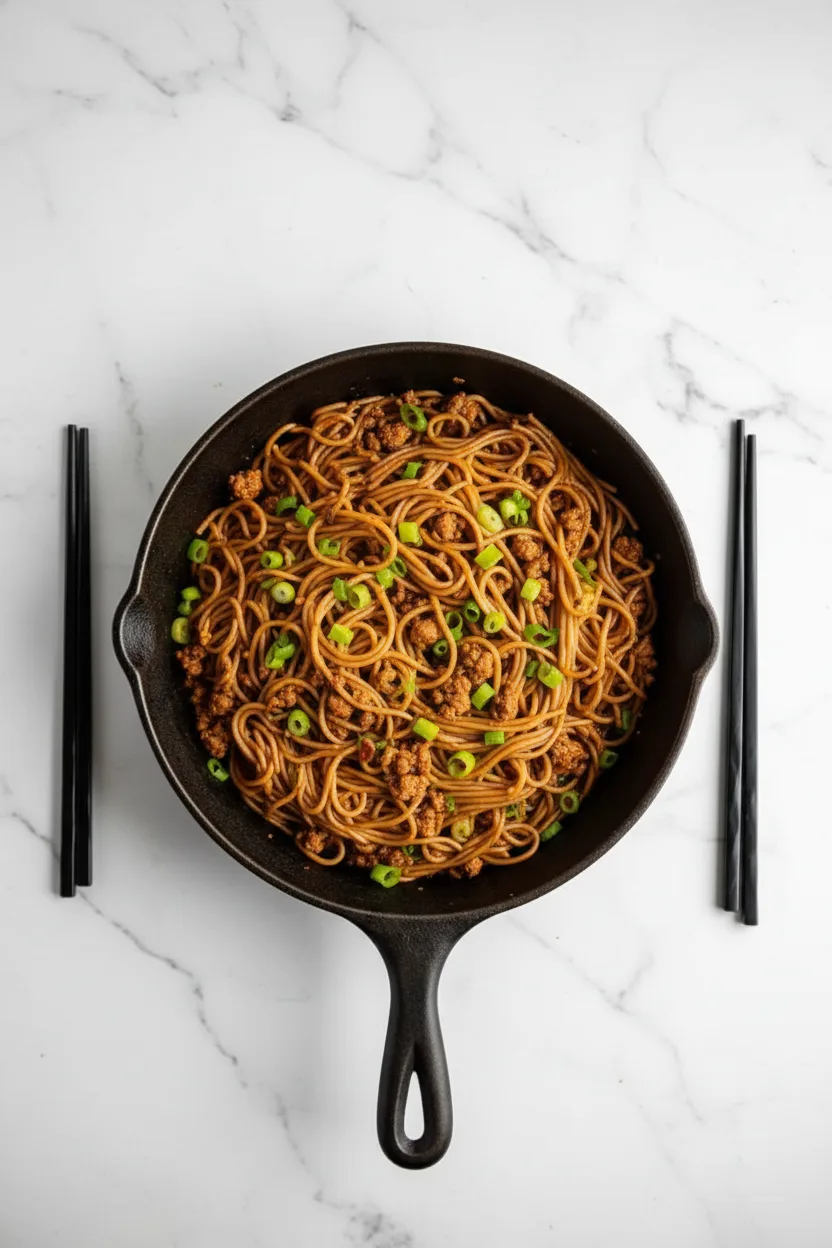
Add half the sauce to the prepared noodles and toss well to coat evenly. Return the cooked meat to the skillet and pour remaining sauce over everything. Stir continuously on low heat for 3-4 minutes so flavors meld together perfectly.
Pro Tips for Success
Control Noodle Texture
Undercook rice noodles slightly (they’ll soften further when combined with sauce). For wheat noodles, follow package timings exactly to prevent mushiness.
Brown Meat Properly
Cooking the meat until well-browned develops deeper flavor through the Maillard reaction. Avoid overcrowding the pan to ensure proper searing.
Sauce Consistency Matters
If sauce thickens too much during simmering, add 1-2 tablespoons water or broth to reach desired consistency. Stir constantly to prevent sticking.
Flavor Variations
Vegetarian Adaptation
Replace ground meat with crumbled firm tofu or chopped mushrooms for a plant-based version. Find more fresh spring meal ideas like this vegetarian option in our 14 fresh spring meals guide showcasing seasonal ingredients.
Nutty Twist
Stir in 1/4 cup crushed peanuts or cashews for added crunch. Pair with sweet baked goods like these bakery-style pistachio muffins to balance the heat.
Creamier Version
Increase coconut cream to 1/4 cup or add 2 tablespoons smooth peanut butter for extra richness without overwhelming the gochujang’s complexity.
Serving Suggestions
Garnish bowls with chopped scallions, sesame seeds, or fresh cilantro. Serve alongside quick pickled vegetables or a crisp cucumber salad. For dessert, consider a light option like lemon blueberry cheesecake that contrasts the spicy main course.
Storage and Freezing Instructions
Refrigeration
Store leftovers in airtight containers for up to 4 days. Reheat gently on the stove with a splash of water to refresh sauce texture.
Freezing Method
Freeze without garnishes for up to 2 months. Thaw overnight in refrigerator before reheating.
Nutrition Facts per Serving
| Calories | Fat | Carbs | Protein | Fiber | Sugar | Sodium |
|---|---|---|---|---|---|---|
| 509 kcal | 16 g | 67 g | 25 g | 2 g | 11 g | – |
FAQs About Gochujang Noodles
Can I use different noodles?
Yes. Udon, soba, or even spaghetti work well. Adjust cooking times based on noodle type.
How spicy is this dish?
Medium heat level as written. Reduce gochujang to 2 tablespoons for mild or add extra chili oil for intense heat.
Is gochujang gluten-free?
Not always. Check labels carefully since some brands contain wheat. Use certified gluten-free versions when necessary.
Final Thoughts
This savory gochujang noodle dish delivers exciting flavors that make weeknight dinners feel special. Perfectly balanced between sweet, spicy, and umami notes, it satisfies diverse palates while remaining simple to prepare. Customize it endlessly based on dietary preferences and ingredient availability.
Once you try this recipe, you’ll find yourself making it regularly and experimenting with new variations. Enjoy sharing this comforting Korean-inspired meal with friends and family who appreciate bold, delicious cooking.