This bright citrus-infused cake combines tangy flavors with a melt-in-your-mouth texture for a delightful dessert. Perfect for any occasion, our Lemon Yogurt Cake features moist layers balanced by a luscious cream cheese frosting.
The recipe delivers bakery-quality results with standard pantry staples and simple techniques most home bakers already know. Whether you’re celebrating a special event or craving weekend baking therapy, this crowd-pleasing sweet satisfies every time.
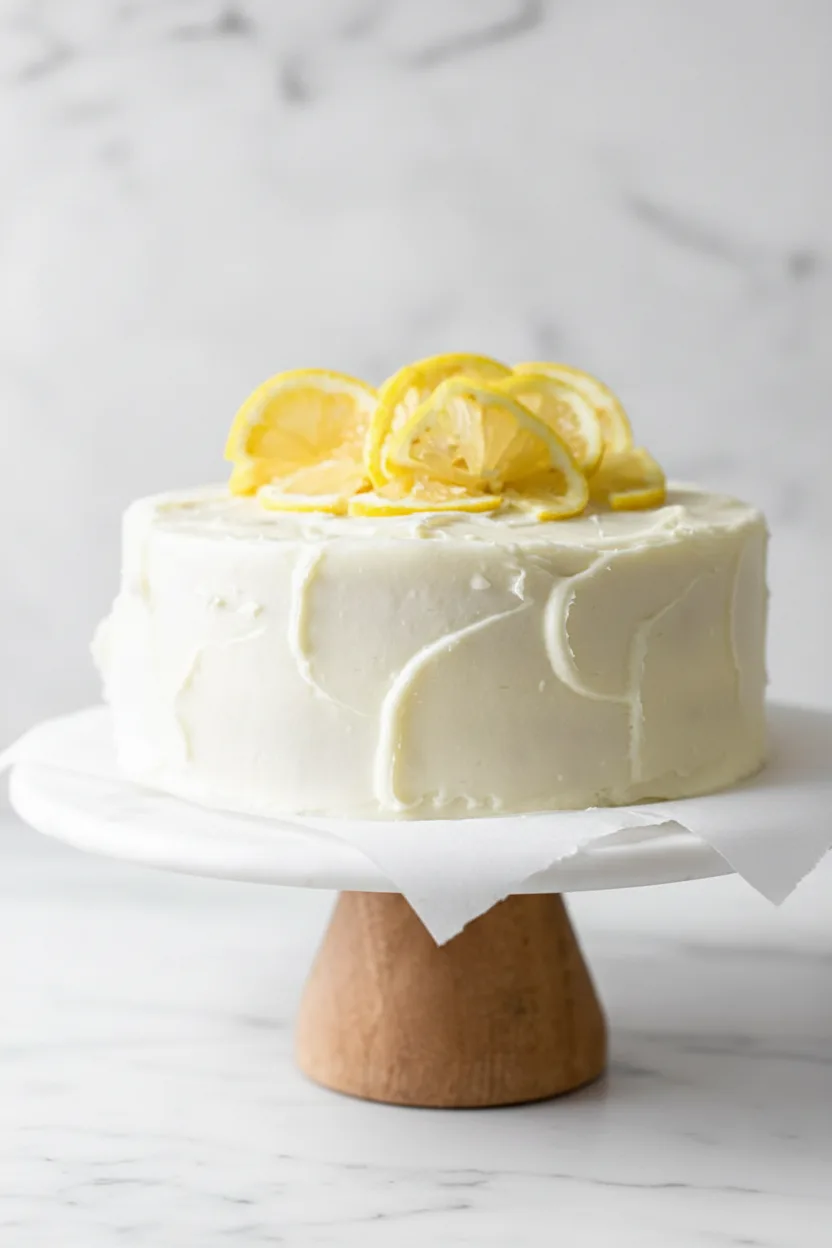
Why You’ll Love This Lemon Yogurt Cake
Four key reasons make this recipe stand above other lemon cakes. First, the combination of buttermilk and lemon juice creates exceptional tenderness. Second, using cake flour instead of all-purpose gives a finer crumb. Third, three whole lemons—zest and juice—provide bold citrus flavor without artificial extracts. Lastly, the fluffy cream cheese frosting balances tartness perfectly. Plus, this dessert freezes well, meaning you can enjoy homemade cake whenever the mood strikes.
Effortless Preparation
You don’t need advanced skills for professional results. The batter comes together quickly using standard mixing methods. Room temperature ingredients ensure smooth blending, while clear instructions guide even novice bakers through each stage. Tools remain basic: two bowls, mixer, and cake pans are all that’s needed before sliding this beauty into your oven.
Crowd-Pleasing Versatility
This Lemon Yogurt Cake adapts easily for different events. Serve it casually with coffee at brunches or dress it up for birthdays with fresh berries. You can also customize the frosting thickness and lemon intensity based on personal preferences. Its crowd-friendly nature makes it ideal for potlucks, bake sales, or holiday dessert tables when you need something reliably delicious.
Ingredients and Substitutions
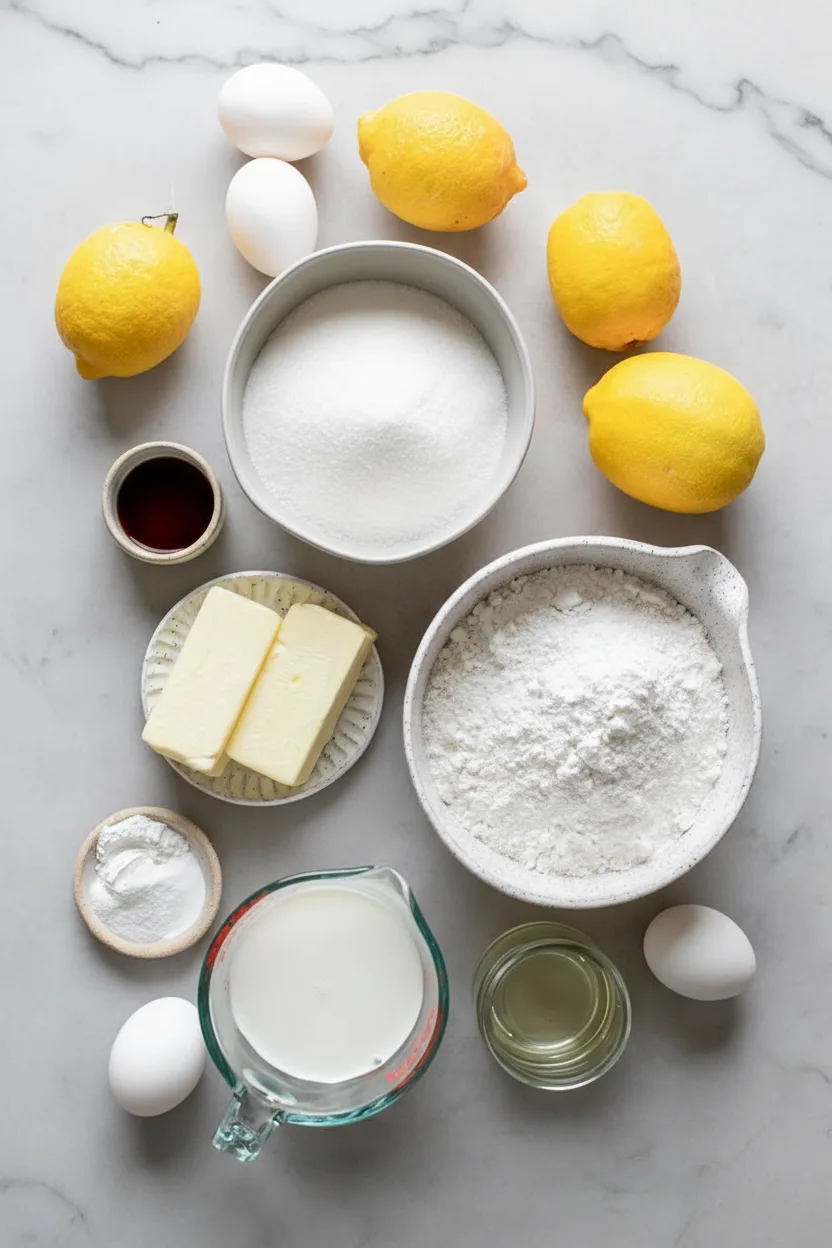
Understanding ingredients helps troubleshoot substitutions if you’re missing something. Here’s what makes each component essential for the best Lemon Yogurt Cake texture and flavor.
Base Components
- Cake flour: Gives structure while keeping crumbs tender. If unavailable, make a substitute by mixing 2 tablespoons cornstarch into every cup of all-purpose flour.
- Baking powder & soda: Provide lift together for even rise without tunneling.
- Buttermilk: Adds moisture and reacts with baking soda. Plain yogurt works as an alternative.
- Lemon juice & zest: Fresh citrus brightens every bite—bottled juice lacks complexity.
Frosting Essentials
- Cream cheese: Use full-fat brick-style for stability. Low-fat versions make runny frosting.
- Butter: Unsalted allows better flavor control; salted butter requires reducing added salt.
- Powdered sugar: Creates smooth sweetness—granulated sugar makes gritty frosting.
How to Make Lemon Yogurt Cake
Follow these straightforward steps for bakery-worthy layers and frosting every time. Proper ingredient temperatures ensure perfect emulsion and rise.
Step 1: Prep Pans and Dry Mix
Preheat your oven to 350°F (180°C). Spray two 9-inch round pans with cooking spray, lining bottoms with parchment circles. Whisk cake flour, baking powder, baking soda, and salt in a large bowl until uniform. This prevents uneven rising—lumps could sink during baking.
Step 2: Combine Wet Ingredients
In a separate container, whisk buttermilk, oil, lemon juice, and vanilla extract. The acid in buttermilk and lemon juice tenderizes gluten strands while activating leaveners. Room temperature liquids incorporate more smoothly than cold ones.
Step 3: Cream Butter and Sugar
Using a stand mixer with paddle attachment, beat softened butter on low until smooth. Gradually add granulated sugar, then whip at medium speed 4-5 minutes until pale and fluffy. This step aerates batter for lighter texture. Incorporate lemon zest halfway for even distribution.
Step 4: Add Eggs
Mix eggs in one at a time, scraping bowl after each addition. Fully emulsified eggs prevent curdling and ensure structure develops properly during baking. The mixture should appear glossy and homogeneous before proceeding.
Step 5: Alternate Mixing
With mixer on low, add dry ingredients in three parts alternating with wet mixture—begin and end with dry. Stop once streaks disappear; overmixing causes toughness. Fold any unmixed bits manually with a spatula.
Step 6: Bake and Cool
Divide batter evenly between pans, smoothing tops. Bake 28-32 minutes until toothpick comes out clean—watch closely to avoid dryness. Cool 20 minutes in pans before transferring to racks; warm cakes crumble easily.
Pro Tips for Success
These professional strategies guarantee consistent results. Most issues stem from ingredient temperature variances or measurement inaccuracies.
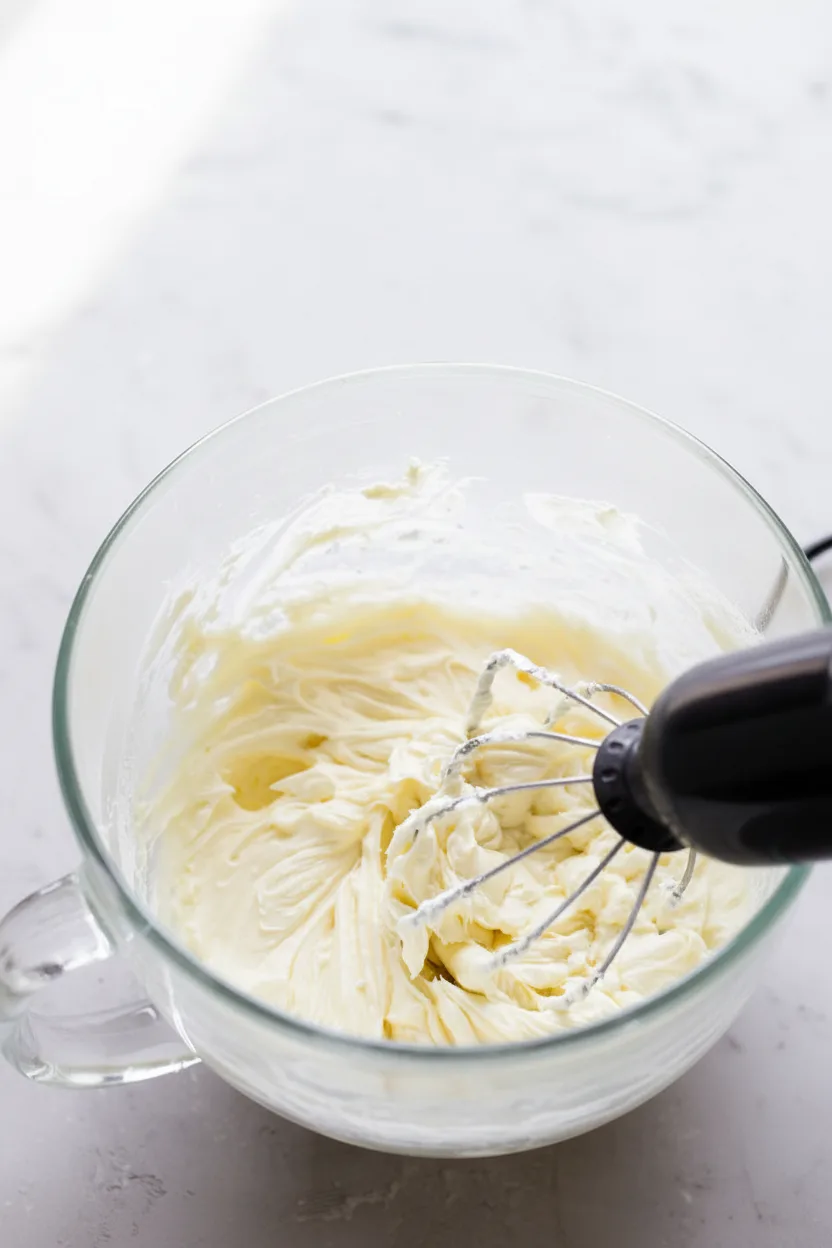
First, ensure dairy products soften fully before mixing. Cold cream cheese creates lumpy frosting, while chilled butter won’t cream properly. Second, spoon flour into measuring cups then level—packing compacts flour causing dense cakes. Third, zest lemons before juicing them; it’s easier to handle firm fruit. Finally, frost cooled cakes only—warm layers melt frosting into a messy puddle.
Wondering how to zest lemons efficiently? Use a fine Microplane grater avoiding bitter white pith. If you enjoy bold citrus elements like in our Obtained Vegetable Noodle Soup, try adding extra zest to the frosting too.
Flavor Variations
While this Lemon Yogurt Cake shines in classic form, creative twists keep things interesting. Try these easy adaptations based on seasonal ingredients or personal cravings.
For berry lovers, fold 1 cup fresh blueberries or raspberries into batter—dust with flour first for even suspension. Alternatively, layer sliced strawberries between cake tiers with frosting. Chocolate fans can add 1/4 cup cocoa powder to half the batter for marbling effect. Want something tropical? Substitute lime or orange for lemon at similar ratios.
Lighten texture by folding whipped egg whites into batter before baking. Inspired by our fun Dirty Strawberry Soda Recipe, garnish finished cake with dehydrated citrus wheels or edible flowers. These simple changes personalize your Lemon Yogurt Cake without complicated steps.
Serving Suggestions
This versatile cake complements multiple desserts and beverages beautifully. Pair slices with afternoon tea or coffee for decadent daily treats. For summer gatherings, serve alongside grilled fruits like peaches or pineapple. A scoop of vanilla ice cream creates perfect temperature contrast against room temp cake.
Drizzle berry coulis or caramel sauce across plates for restaurant-style plating. Brunch spreads benefit from adding this cake to pastry assortments—particularly delicious next to savory options like our 30-Minute Creamy Tomato Gnocchi. Leftovers taste amazing crumbled over yogurt parfaits too.
Storage and Freezing Instructions
Proper storage preserves freshness and flavor for days. Frosted cakes keep covered at room temperature up to two days. For longer storage, refrigerate up to five days in airtight containers—bring to room temp before serving for best texture.
Freeze unfrosted layers up to three months: wrap cooled cakes tightly in plastic followed by foil. Frosting freezes well separately in zip-top bags. Thaw components overnight in fridge before assembling. Label packages with dates to track freshness easily.
Nutrition Facts per Serving
| Calories | Fat | Carbs | Protein | Fiber | Sugar | Sodium |
|---|---|---|---|---|---|---|
| 550 | 30g | 66g | 6g | 1g | 48g | 380mg |
Nutrition data represents approximate values per slice based on standard serving sizes. Actual numbers may vary slightly depending on specific ingredients used and precise measurements.
FAQs About Lemon Yogurt Cake
Can I make cupcakes instead?
Absolutely! Divide batter among lined muffin tins filling 2/3 full. Bake at same temperature 18-22 minutes until tops spring back when pressed. Frost cooled cupcakes with reduced frosting amounts.
Why did my cake sink?
Sinking usually results from under baking or improper leavener activation. Ensure your baking powder/soda aren’t expired. Check oven temperature accuracy with a thermometer—underheating prevents proper setting. Also avoid opening oven doors during first 25 minutes of baking.
Can I use different pans?
This recipe adapts to 9×13-inch sheets for single-layer cakes needing 32-38 minutes baking time. For bundt pans, grease thoroughly then bake 40-45 minutes—adjustments may require testing.
Final Thoughts
Our Lemon Yogurt Cake recipe masterfully balances tangy citrus with velvety sweetness for unforgettable desserts. Simple ingredients transform into stunning showstoppers ideal for celebrations or everyday indulgence.
The luscious cream cheese frosting complements the moist crumb without overwhelming delicate lemon notes. Freezer-friendly design lets you enjoy homemade goodness anytime cravings strike. Ready to impress family and friends? Whip up this bright beauty today!