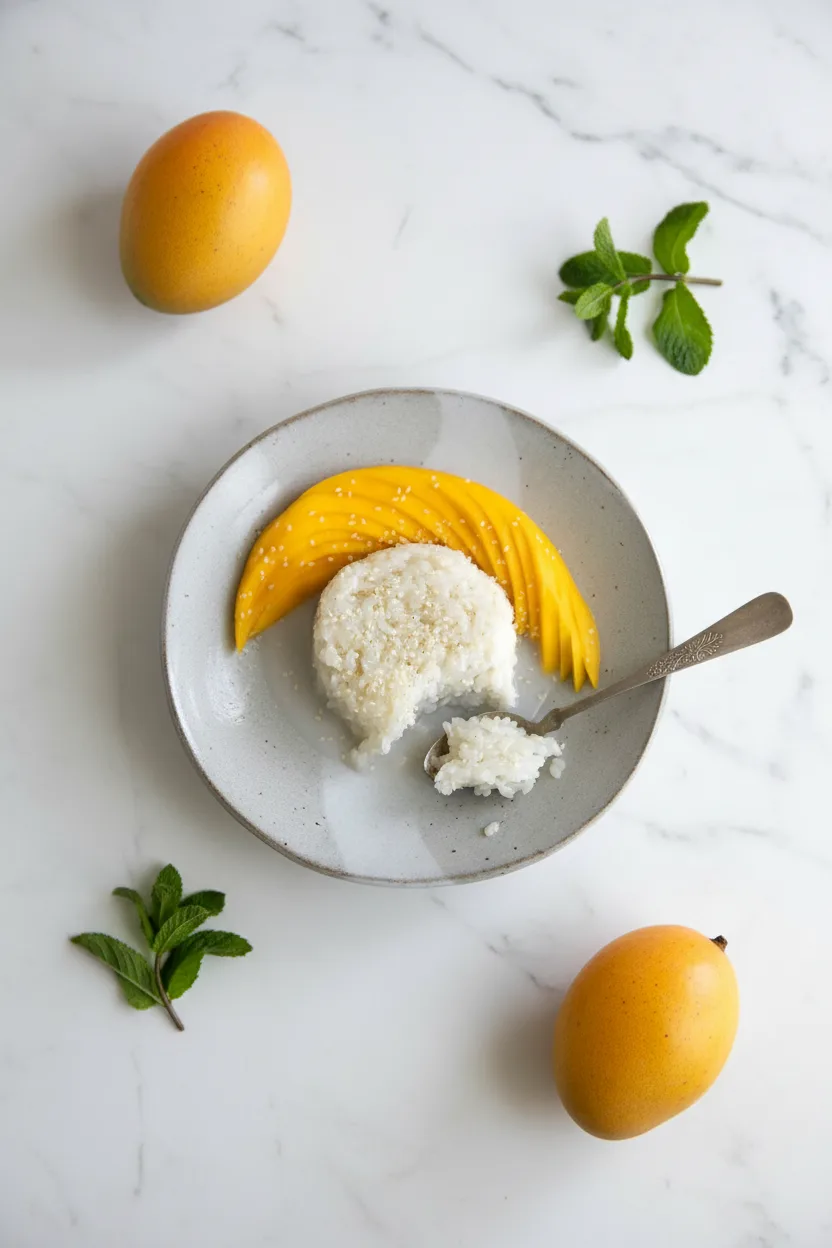
Discover how to make authentic mango sticky rice with this simple recipe. This classic Thai dessert combines sweet coconut rice with fresh mango for a tropical treat that’s both comforting and refreshing.
You’ll learn professional techniques and clever substitutions to create restaurant-quality results at home. Let’s dive into this delightful culinary adventure!
Why You’ll Love This Mango Sticky Rice
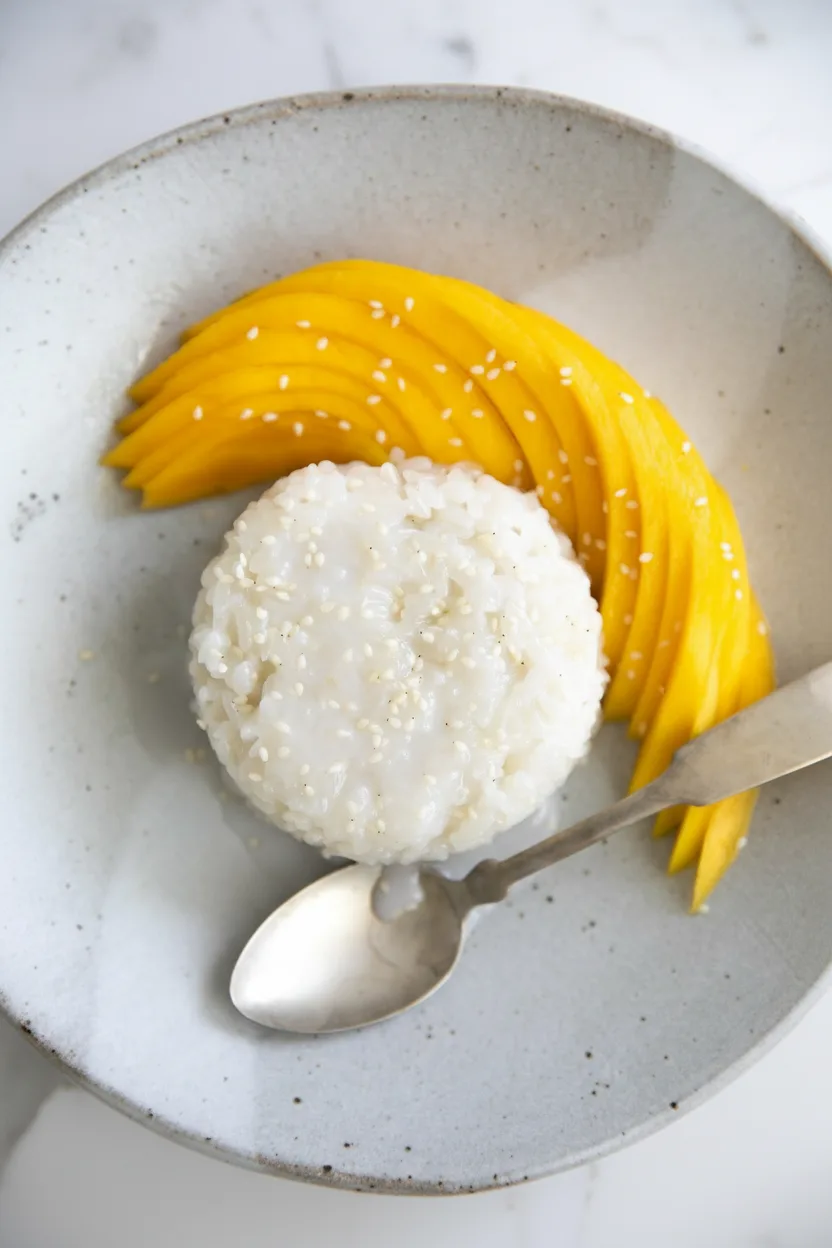
Mango sticky rice delivers a perfect balance of textures and flavors. The chewy sweet rice paired with juicy mango creates an irresistible combination.
This crowd-pleasing dessert works beautifully for special occasions or everyday indulgence. Plus, with our streamlined preparation method, you can achieve authentic taste without specialized equipment.
You’ll appreciate how this recipe requires minimal ingredients yet delivers maximum flavor impact. Tropical coconut notes blend harmoniously with natural mango sweetness. Unlike many complex desserts, this one comes together with basic kitchen tools.
With some advance planning during the soaking step, active cooking time remains surprisingly manageable.
The visual appeal makes this dish perfect for entertaining. Serve it at summer gatherings or pair it with other tropical favorites for themed dinners. Leftovers keep well, though you’ll likely find them disappearing quickly!
Recipe
Print
Mango Sticky Rice
- Total Time: 1 hr 45 min
- Yield: 6 servings 1x
Description
Authentic Thai dessert featuring sweet coconut sticky rice with fresh mango – simple ingredients create tropical perfection.
Ingredients
- 2 cups sweet rice (400 g)
- 1 (13.5 ounce) can full-fat coconut milk (400 ml)
- 6 tablespoon sugar (75 g)
- 1/2 teaspoon salt (3 g)
- 1–2 large mangoes
- Sesame seeds (to garnish)
- 2/3 cup full-fat coconut milk (160 ml)
- 3 tablespoon sugar (38 g)
Instructions
- Transfer the rice to a large bowl filled with water. Make sure the bowl is large enough to hold enough water to cover the rice. Allow the rice to soak for at least 1 hour or up to overnight.
- After soaking, drain and rinse rice. Transfer to center of a large cheesecloth. Allow it to drain.
- Loosely wrap rice in cheesecloth making sure grains can’t escape.
- Create steamer by inverting a large mesh stainless steel steaming basket in a tall pot. Add 1-inch water to pot.
- Place wrapped rice on top of steamer basket. Cover with tight-fitting lid.
- Bring water to boil over high heat. Reduce heat to simmer. Steam rice for 15-20 minutes until translucent.
- Heat 1 can coconut milk over medium heat. Stir often. Add sugar and salt, stir until dissolved. Keep warm.
- Transfer steamed rice to large bowl. Mix with sweetened coconut milk. Cover and let rest 5 minutes.
- In small saucepot, combine remaining coconut milk and sugar. Bring to low boil, then simmer until thickened slightly.
- Serve warm coconut sticky rice with mango slices, coconut sauce, and sesame seeds.
Notes
- Use fresh ripe mangoes for best flavor
- Soaking time affects final texture – longer soaking yields softer rice
- Leftover rice keeps well refrigerated for up to 3 days
- Toast sesame seeds for enhanced nutty flavor
- Prep Time: 25 min
- Cook Time: 20 min
- Category: Main Course
- Method: Baked
- Cuisine: American
Nutrition
- Calories: 468 kcal
- Sugar: 23 g
- Sodium: 202 mg
- Fat: 16 g
- Carbohydrates: 74 g
- Fiber: 2 g
- Protein: 5 g
Ingredients and Substitutions
Base Components
- 2 cups glutinous rice (400 g) – also called sweet rice or sticky rice
- 1 (13.5 ounce) can full-fat coconut milk (400 ml)
- 6 tablespoons granulated sugar (75 g)
- 1/2 teaspoon salt (3 g)
Toppings and Extras
- 1-2 ripe mangoes
- Sesame seeds for garnish (optional)
- 2/3 cup full-fat coconut milk (160 ml) – for sauce
- 3 tablespoons granulated sugar (38 g) – for sauce
Smart Swaps
Use brown sugar instead of white sugar for deeper caramel notes. Substitute honey or maple syrup for refined sugar when desired. If fresh mango isn’t available, try frozen mango slices thawed to room temperature. For a nut-free version, skip sesame seeds or use toasted coconut flakes instead. Those managing dietary restrictions might explore our healthy dessert alternatives featuring seasonal fruits.
How to Make Mango Sticky Rice
Step 1: Rice Preparation
Place rice in a large bowl and cover with 3 inches of water. Soak for at least 1 hour or overnight. Drain thoroughly through a fine mesh strainer. Transfer damp rice to cheesecloth, forming a loose bundle. This prevents grains from escaping during steaming.
Step 2: Steaming Setup
Create a DIY steamer using a large pot and inverted mesh strainer. Add 1 inch of water to the pot – ensure the steamer sits above water level. Place cheesecloth-wrapped rice on the strainer. Cover with a tight-fitting lid. Bring water to boil over high heat, then reduce to simmer.
Step 3: Cooking Process
Steam rice for 15-20 minutes until grains turn translucent. Meanwhile, combine coconut milk, sugar, and salt in saucepan. Warm over medium heat, stirring constantly until sugar dissolves. Remove from heat once tiny bubbles form at edges.
Step 4: Combining Elements
Transfer steamed rice to mixing bowl. Gradually pour warm coconut mixture over rice while folding gently. Let sit covered for 5 minutes to absorb liquid. Prepare sauce by simmering remaining coconut milk and sugar until slightly thickened. Slice mangoes into attractive wedges for serving.
Pro Tips for Success
Always use full-fat coconut milk for richest flavor and texture. Check rice doneness by pressing a grain between fingers – it should mash easily without crunch. For brighter presentation, arrange mango slices in decorative flower patterns. Allow finished rice to rest 10 minutes before serving for optimal consistency. If rice seems dry, sprinkle with extra coconut milk while warm.
Flavor Variations
Infuse coconut milk with pandan leaves during heating for authentic Thai aroma. Add cardamom or cinnamon to the coconut sauce for warm spice notes. Layer in tropical fruits like pineapple or banana alongside mango. Consider serving this with complementary proteins like those featured in our popular Thai-inspired lettuce wraps for a complete meal experience.
Serving Suggestions
Present sticky rice slightly warm for best texture contrast with cool mango. Drizzle coconut sauce over assembled plates just before serving. Sprinkle toasted sesame seeds for appealing crunch and visual interest. Pair with other vibrant dishes like colorful salads – our citrus pasta dishes make excellent companions for balancing rich flavors.
Storage and Freezing Instructions
Refrigerate leftover rice and mango separately in airtight containers for up to 3 days. Reheat rice gently in microwave with damp paper towel covering. Freeze rice portions in sealed bags for up to 1 month. Thaw overnight in refrigerator before reheating. Note: Frozen thawed mango may become softer but remains delicious.
Nutrition Facts per Serving
| Calories | Fat | Carbs | Protein | Fiber | Sugar | Sodium |
|---|---|---|---|---|---|---|
| 468 kcal | 16 g | 74 g | 5 g | 2 g | 23 g | 202 mg |
FAQs About Mango Sticky Rice
Can I use regular rice instead of sticky rice?
Authentic texture requires glutinous rice. Regular rice won’t develop the characteristic chewiness. Find sweet rice in Asian markets or online grocery sections.
How do I pick the best mangoes?
Choose fragrant fruits with slight give when gently squeezed. Avoid mangos with wrinkled skin or dark spots. Ripe mangoes typically show yellow-red skin tones.
Why isn’t my rice sticky enough?
Ensure proper soaking time – minimum 1 hour. Use adequate steam rather than boiling water. Consider trying different rice brands if issues persist.
Can I make this vegan?
This recipe is naturally vegan when prepared as directed. Confirm your sugar source meets vegan standards if following strict dietary guidelines.
How far in advance can I prepare this dish?
Prepare rice up to 2 days ahead but reheat gently with added coconut milk. Slice mangoes just before serving to maintain freshness and texture.
Final Thoughts
Mastering mango sticky rice brings tropical vacation vibes to your home kitchen. With just a few quality ingredients and patience during the soaking process, you’ll create an unforgettable dessert that impresses guests and satisfies sweet cravings.
Remember to experiment with presentation styles and complementary flavor pairings. Enjoy your culinary journey through Thailand’s beloved dessert tradition!